Confession incoming: I am TERRIBLE at marketing and promotion. Those fields are an alien science for me.
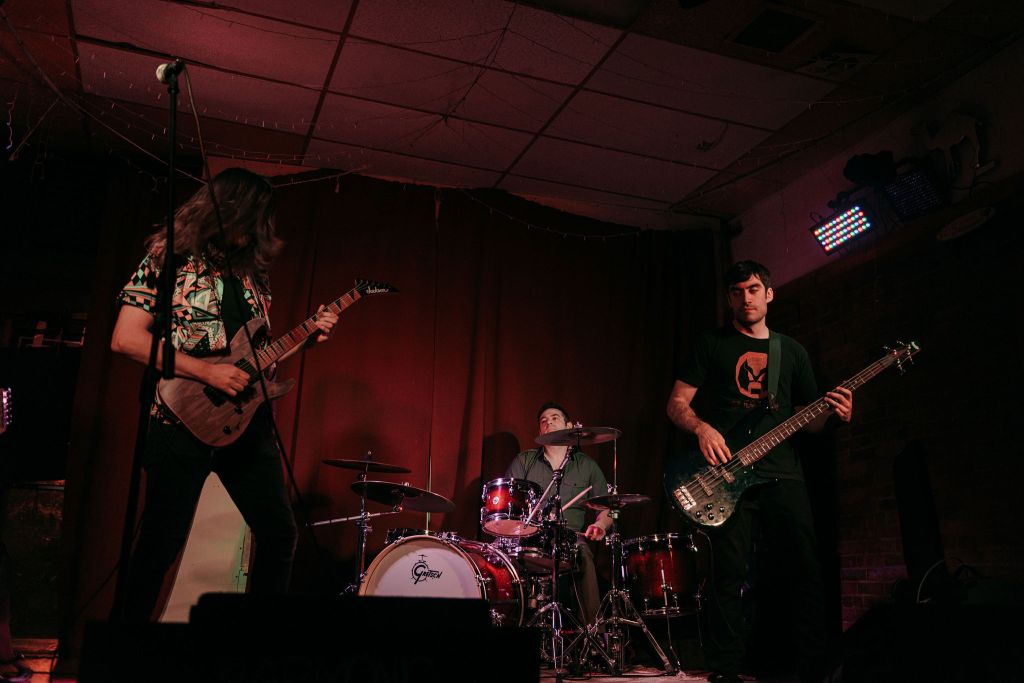
Photo of Harmonic Drift by Sami Butler @disastrousbeauty
I may not have much wisdom to impart on growing your Instagram follower base or Spotify monthly listener count (beyond simply: KEEP RELEASING MUSIC), but I am fairly experienced in the art of gigging. Since the age of 14 I have played bars, clubs, coffee houses, churches, basements… admittedly I have yet to play a stadium, so maybe I will have to update this post in the future. In my adventures through the world of live music I have seen a lot. 90% of my experiences have been great! The other 10% have taught me a lot, mainly from my own mistakes. So here is my (fairly short) guide to getting more gigs and other opportunities in the music world.
PART 1: SO, LIKE, WHERE DO I EVEN BEGIN?
Much like new parents, new musicians often feel like they have been thrown out of the boat with no life vest or survival instructions. “Okay, yeah, I see bands on Spotify and at my local venue, but…how did they get there?” Well, by car usually, but I’m assuming you are talking about the steps necessary to go from being a “garage band” to a “pro” band, or at least a band that APPEARS to be pro. Here is a very simple flowchart:
Write a bunch of songs > Record them > Upload them to the Internet (Distrokid) > Talk to other artists
If you follow the above steps, then you will very quickly enter the hall of fellow musicians. Welcome! Some artists skip the whole “recording” step, but I would not recommend it. You are better having relatively low-quality recordings available than none at all. It is REALLY hard for me to be a fan of yours if you have no music available. And honestly? Recording technology has never had a better bang-for-your-buck than it does today, so you have plenty of potential to create a decent recording. IT DOES NOT HAVE TO BE PERFECT. Spoiler: it never will be.
Also, step zero is to be a nice, polite person. Sometimes you have to be a bit bold and assertive, but you simply cannot be a dick to people. Word travels fast, and you will be blacklisted if you rub people the wrong way. On the other hand, I will recommend you to other people if I find you to be a pleasant person.
PART 2: PLEASE START TALKING ABOUT THE GIGS
Okay, let’s pretend that you followed my flowchart. The last step “talk to other artists” is absolutely critical, and, again, this part goes a lot more smoothly if you have recorded music available. The Internet offers plenty of opportunities, but I highly recommend talking to musicians in person. You know which musicians are probably down to do a gig with you? The musicians who you meet at gigs. Most of us are so used to playing to empty rooms that we LOVE it when an enthusiastic musician wants to have a conversation after the set. One of my stand-out memories is from a gig in Columbus where a super nice guy named Thomas (shout out Eden Has Fallen and Stillcastle) chatted with me after our set. He intentionally started a relationship with me and gained a Cleveland contact with access to a plethora of CLE artists and venues. What a smart move!
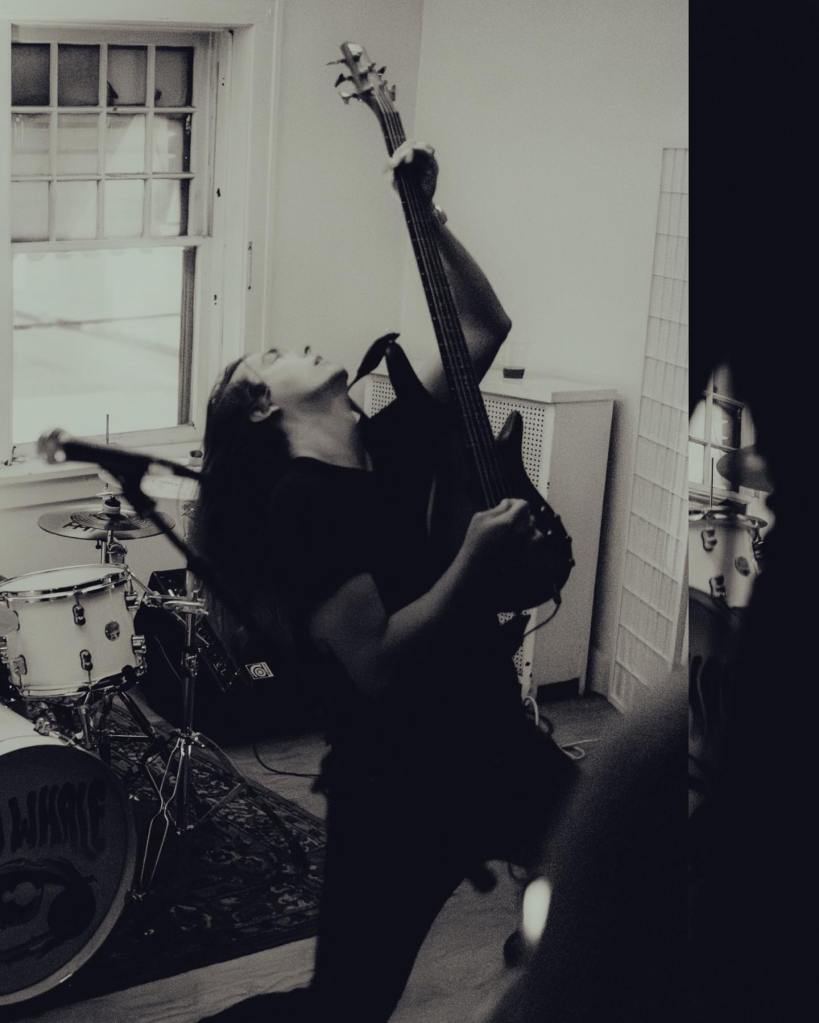
Photo of Mud Whale by PJ @bardicroots
If you are a bit less inclined to randomly start a conversation with a band in that way, then I recommend sending a message to the artist on Instagram. “Hi guys! I caught your set at ________ venue Saturday night. You guys crushed it! I checked out your music on Spotify and am loving your song __________. I am in the band “__________________” and would love to find an opportunity to work together.” Easy enough. Is it guaranteed to lead to a gig? No, but you are almost guaranteed to start a relationship. Once a relationship is established (and I do mean RELATIONSHIP, not just fishing for your own benefits), then that new friend will be more than happy to share their local knowledge of the music scene. “Hey, how do I gig a book at _________ venue?” “Oh you want to talk to Sally; here’s her email address.” I have had this conversation COUNTLESS times.
STEP 3: OKAY THAT’S GREAT, BUT GIVE ME SPECIFICS
Let’s get into the nitty-gritty.
BOOKING A GIG
Many artists go the cold-call method. They send an email to the venue that reads, more or less: “Hi, we are a really good band. Please book us.” Has this ever worked? Are you delusional enough to think that the venue will Google your music and be blown away by the first result?
Here’s a quick tip: venues are far more likely to book you a gig if you give them a full lineup. Instead of trying to get the venue to have you open a show, try putting together your own bill of 3 or 4 of your favorite local artists? You followed my flowchart above, so you are now friendly with a bunch of your local musicians. Reach out to them and say “hey I would LOVE to play a gig with you. Are you available in this timeframe?” Once you have a few bands on board, reach out to your venue of choice and say “hi, this lineup is currently looking to book at your venue on these dates. Please let me know your availability.” You will probably have to reach out to multiple venues. Try to book at least 3 months in advance, and message the venues one at a time. If one doesn’t respond after 24 hours, then move on to the next one.
You will have a much, much higher success rate if you have specific contact information given to you by one of your fellow musicians. You can start the message with “Dave from the band _______________ gave me your contact info”, which immediately gives you some extra pull.
If you are not willing to be the one to put together a gig, then you will not get as many gigs.
VENUE TYPES
Different venue types are good for different purposes. Your classic rock cover band might not be the best option for a DIY art venue. Similarly, your drone metal band is going to get some complaints at the local Italian restaurant. I do not recommend spending too much time discriminating against venues, but it is smart to know your audience. It does not feel good to clear a room; I say that from experience. In your nearest major city there are probably bars that cater to certain genres and styles of music. While I actually encourage artists to push their limits a bit and try to genre-blend a bit, I also recognize that you can push it too far.
Most artists do best at bars, especially artists who feature guitar, bass, and drums. Bars exist to make money (we live in a capitalist hellscape, in case you were not aware), and drunk people tend to enjoy live, upbeat music. When they enjoy said music, they buy more drinks. The bar likes this. Unfortunately I have watched plenty of artists clear a bar late at night by playing their slow, sad music. When people leave they stop buying drinks. Again, know your audience.
Cover bands can play just about any bar. Sure, drunk people might enjoy your original music, but they will go crazy for covers. If a bar is mostly 50 year old white people, then go there and play “Don’t Stop Believing”. People will go wild. With that said, some bars pride themselves on featuring original musicians, so check before you upset them by playing all of the classic rock radio hits as they scowl at your poser ass.
Let’s say that you don’t play upbeat music, and you are worried that you will clear the room with your sad, slow tunes. Do not fret: there is yet an audience for you! I recommend seeking out venues that tend to feature local artists from quirky genres. House shows are often a great option, but there are usually brick-and-mortar options as well. Also look for local art galleries, as they are often the venues most willing to book a very “artsy” artist.
REPEAT BUSINESS
Ultimately your goal (besides playing music on stage) is to form a great relationship with the venue, affording you the opportunity to return. There are a couple of key tricks to make sure that you get invited back:
- Be a nice, polite person.
- Show up early and stay through the whole night.
- Be incredibly (genuinely) nice to everyone but ESPECIALLY all bar staff members.
- If you are a dick to the bartender, then you will not be invited back.
- Bring a crowd of people (this is, surprisingly, less important than you’d think).
- Put on a great show.
- Be enthusiastic about the opportunity, and thank the venue, bartenders, and sound person during your set.
- Be very polite about the money. Don’t start an argument. If you feel that you were treated unfairly, then don’t return. I would NOT recommend starting an argument over $20.
Your attitude will often go just as far or further than the amount of money earned. Venues understand that every night is different, some being completely dead and others being jam-packed. What can be consistent is your attitude. The booking agents and venue managers want to work with artists with a good attitude, sometimes beyond one who may draw 10 more people.
TOP PIECE OF ADVICE!!!!!!!!!! The day after the gig write a message to your contact at the venue thanking them for the opportunity, describing how much fun you had, and expressing your desire to return. This goes a loooooooooooong way.
PLAYING OUT OF TOWN
After playing enough gigs you will eventually start to draw a small local following. It is an amazing feeling! “Wow, people actually LIKE my music???” But, should you play enough gigs in a small enough time, you will learn the tough lesson that it is very unlikely that people will come to 8 of your gigs in 2 months. So what is the next step? Time to hit the road.
Everyone wants to go to New York and LA, but what if I told you that those cities are kind of a pain in the ass and that other cities exist? I live in Ohio, a state of almost 12 million people. If 1% of Ohioans will potentially dig my music, then I have a theoretical audience of 120,000 people. That’s, like, one whole Taylor Swift show. Those people are spread out across a bunch of cities that are up to 4 hours apart. I personally view nearly any city with at least 50,000 people as a solid option for a road trip. There are 18 cities in Ohio with at least 50k population.
Here’s what I’m saying: maybe it would be smarter to start with an Ohio tour before you start looking at a coast-to-coast trip. It is a LOT of work to put together an out-of-town show, so I would recommend that your first tour be relatively short. Learning how to network with bands from other cities, get in contact with venues remotely, and advertising these out-of-town shows will take a lot of effort, brain power, and tolerance for frustration. You will also learn the wonders of cancellations, illness, car trouble, and so many other factors that make gigging all sunshine and rainbows. So start small and build your way up.
FINAL THOUGHTS AND LESSONS LEARNED
Man do I love playing gigs. But they come with their share of frustrations. Here is a non-comprehensive list of my experiences:
- “Some people suck.” – Tom Segura.
- You will play to empty rooms from time to time. It happens.
- Sometimes the crowd just isn’t that into what you are doing.
- Some musicians are the worst people that you will meet in your life.
- Some booking agents are the worst people that you will meet in your life.
- Be polite to everyone, but start your own personal “blacklist”. Don’t torture yourself by working with narcissists multiple times.
- You will play a gig with a $12 cover charge and a crowd of 75 and receive $18 in compensation. No, it is not fair. No, you should not argue with the door guy.
- Free shows can be amazing opportunities.
- DO NOT PAY TO PLAY.
- If someone reaches out with a gig opportunity in which “you will buy your portion of tickets and then sell those tickets to receive your compensation”, then promptly delete that message and block the person who sent it.
- If you have fun, then the crowd will have fun.
- Alcohol does not make you a better musician.
- Anything that can go wrong will go wrong. Prepare for the common stuff like cables going bad.
- People will often like your show more than your music. Put on a great show! Don’t just stand there.
I think I am going to write an article that gets into more specifics about gig etiquette. I wanted to keep this article focused on getting gigs and building relationships. Please let me know your thoughts and critiques!
Joe H


 Musicians: Take Note!
Leave a comment